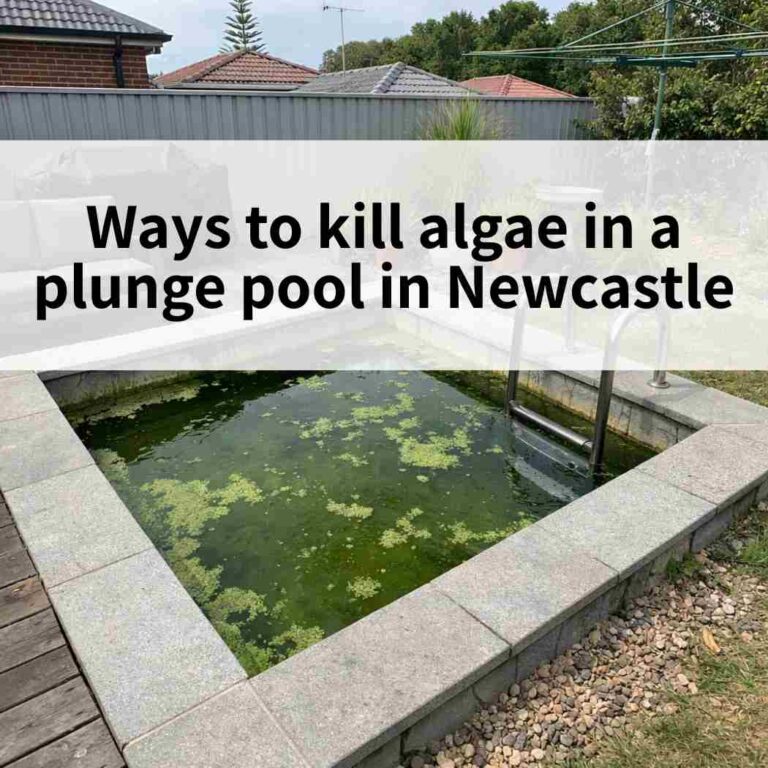

At Plunge Pools Newcastle, we design and build custom plunge pools and complete backyard pool spaces for local homeowners across Newcastle and the Hunter. We understand salt air, strong sun, heavy rain, and tight suburban blocks. We build fibreglass and concrete plunge pools, help plan outdoor entertaining areas, and guide clients through NSW compliance and practical design decisions. We design with purpose, not guesswork.
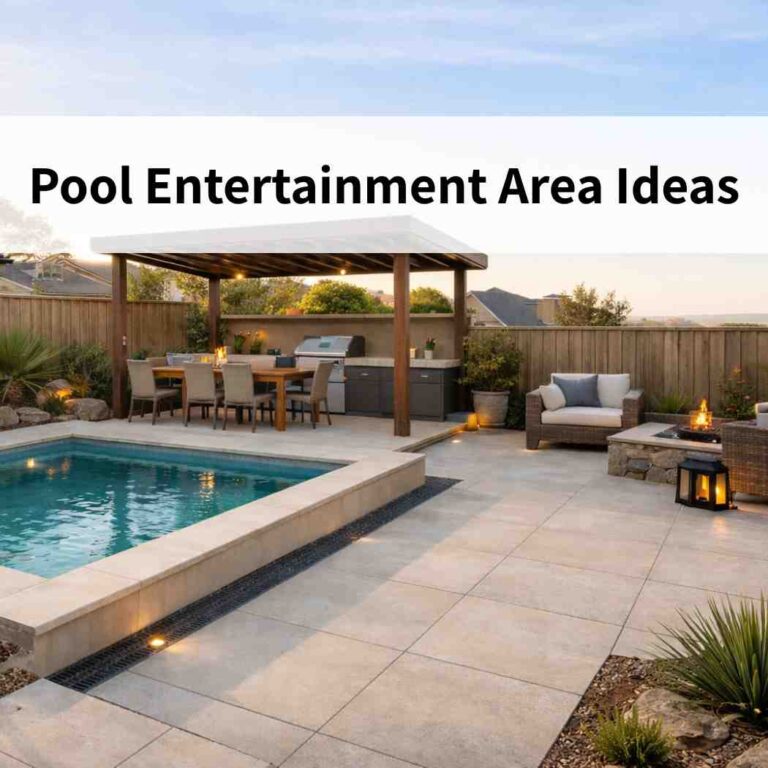
In this guide, we will walk you through proven pool entertainment area ideas for Newcastle homes. You will learn how to design the layout correctly, choose the right pool type, plan an outdoor kitchen, create shade for coastal conditions, and build a low-maintenance alfresco area that lasts. By the end, you will know exactly how to turn your backyard into a private staycation space.
What Makes a Great Pool Entertainment Area?
A great pool entertainment area is a well-planned outdoor space where layout, comfort, atmosphere, safety, and low maintenance work together so people can move easily, relax comfortably, and enjoy the space year-round.
The 5 Core Pillars of a High-Performing Pool Space
1. Function – Zoning and Flow
Function is the foundation. Without it, even the most beautiful alfresco area will feel cramped.
A well-planned backyard pool design includes clear zones:
- Swim zone
- Dining zone
- BBQ or outdoor kitchen zone
- Lounge zone
- Dry walkways
Wet and dry areas must be separated. Circulation paths must be clear. In Newcastle homes, especially on suburban blocks, space is precious. Every metre must serve a purpose.
Whether you are hosting 10 guests or 40, flow matters more than size.
2. Comfort – Shade, Seating and Climate Control
Newcastle summers are humid. UV levels are high. Coastal wind can shift quickly.
Comfort means:
- Shade from pergolas, pavilions or shade sails
- Seating that stays cool in the sun
- Protection from wind
- Optional heating for year-round plunge pool use
A plunge pool entertainment area without shade becomes unused in peak heat. A shaded alfresco area extends usability across seasons.
3. Atmosphere – Light, Fire and Sound
Atmosphere creates emotion.
Soft LED pool lighting.
A small fire pit near the lounge.
Outdoor speakers with controlled volume.
Layered lighting around a lap pool or infinity pool changes how the water reflects at night. Sound design adds energy without overwhelming conversation.
The goal is calm energy. Not chaos.
4. Safety and NSW Compliance
Safety is not optional. It is structural.
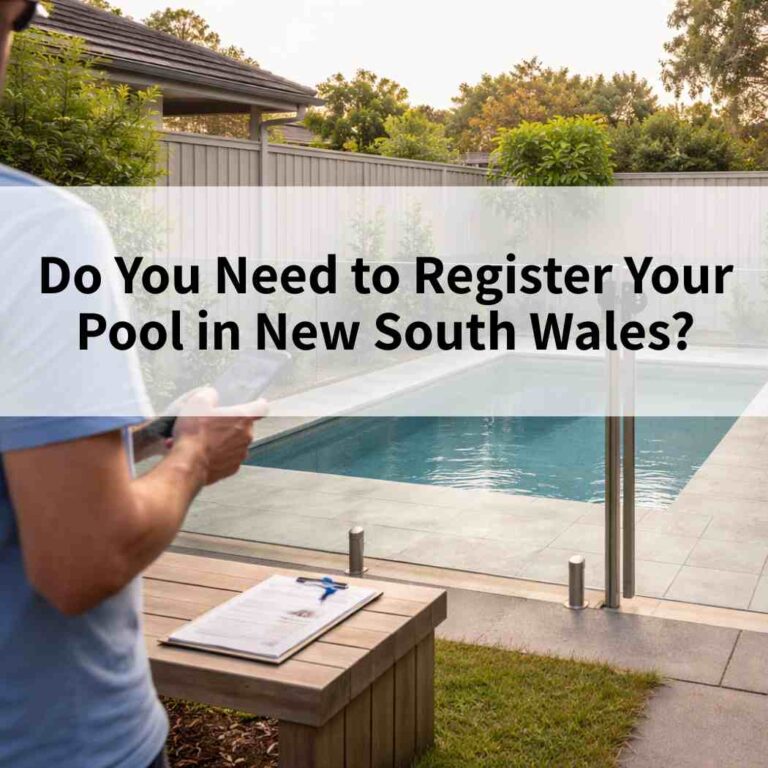
NSW pool compliance rules require proper fencing, self-closing gates, and clear visibility. When we design outdoor entertaining areas in Newcastle, we integrate compliance from day one. Not after construction.
Glass pool fencing, smart gate placement, and sightlines from the home all matter. A safe pool area is a usable pool area.
5. Low-Maintenance Design
Salt air corrodes poor materials. Heavy rain exposes weak drainage. Gum trees drop debris.
Low-maintenance pool entertainment areas use:
- Marine-grade finishes
- Proper drainage slopes
- Easy-clean paving
- Durable coping materials
A beautiful space that is hard to maintain becomes a burden. A smart design stays enjoyable for years.
When these five pillars align, your backyard stops feeling like a yard. It becomes an outdoor resort. And in Newcastle’s coastal climate, thoughtful planning is the difference between short-term excitement and long-term enjoyment.
How Do You Get the Layout Right in Your Newcastle Backyard?
Getting the layout right in your Newcastle backyard means planning movement first, then placing furniture. In coastal NSW, sloping blocks, shifting winds, and harsh afternoon sun make flow and orientation more important than styling.
A backyard pool entertainment layout is not about where things look good. It is about how people move. If guests bump into each other, walk across wet tiles, or get blasted by wind while eating, the space fails, no matter how expensive it looks.
In Newcastle and the Hunter region, environmental factors play a major role:
- Sloping residential blocks
- Coastal sea breezes
- Strong western afternoon sun
- Sudden weather shifts
A smart backyard pool layout design responds to all of these.
The Entertainment Flow Checklist
Use this proven sequence when designing your outdoor entertainment area in Newcastle:
BBQ / Outdoor Kitchen → Next to Dining
The cook should not feel isolated.
- Keep the BBQ within a few steps of the dining table
- Maintain visual connection to guests and the pool
- Ensure proper ventilation away from seating areas
- Avoid wind tunnels that blow smoke back toward the house
If the BBQ is placed too far from the dining area, it breaks the social connection and kills the flow.
Dining → Near Lounge
Dining and lounging should feel connected.
- Allow easy transition from eating to relaxing
- Keep shade consistent across both zones
- Avoid splitting these areas with heavy landscaping barriers
In modern Newcastle backyard pool designs, the dining and lounge zones often share a pergola or covered patio for cohesion.
Lounge → Clear View to the Pool
Supervision and atmosphere both depend on sightlines.
- Lounges should face the pool
- Avoid blocking views with tall furniture
- Maintain clear visual access from inside the house
For families, this improves safety. For entertainers, it keeps the pool as the visual feature of the space.
Long-tail keywords included:
- poolside lounge placement ideas
- backyard pool supervision design
- safe family pool layout NSW
Dry Walkways: Avoid Wet Crossovers
One of the biggest pool entertainment area design mistakes is forcing guests to walk across wet tiles.
Design dry circulation paths:
- From the house to the dining
- From dining to the lounge
- From gate to seating
- Around the pool perimeter
This reduces slip risk and protects outdoor furniture from constant moisture.
In coastal NSW pool areas, where humidity is already high, separating wet and dry zones extends the life of materials.
Common mistakes to avoid:
- Too much furniture (kills flow)
- BBQ far from dining (isolates the cook)
- Ignoring wind/sun (glare, chill)
- Wet routes through dining (slip risk)
How Do You Zone Your Backyard Using the “Resort Blueprint”?
Zoning your backyard using the “Resort Blueprint” means dividing your outdoor space into clear, purposeful areas: swim, sun, dining, lounge, play, and retreat so each activity has its own zone while still flowing together seamlessly.
A well-zoned backyard pool area feels intentional. Without zoning, spaces blur together. Towels end up on dining chairs. Kids run through the cooking areas. Wind hits the fire pit. Good zoning prevents friction.
Think like a boutique coastal resort but scaled to a Newcastle suburban block.
1. Swim Zone – The Anchor
This is your visual and functional centrepiece.
Whether you have a:
- Concrete plunge pool
- Fibreglass plunge pool
- Lap pool
- Compact courtyard pool
The swim zone should remain clear and uncluttered.
Design Principles:
- Keep entry steps unobstructed
- Avoid placing furniture tight to the coping
- Maintain safe circulation paths
- Ensure compliance with NSW pool fencing regulations
In small backyard pool designs, the swim zone should not double as storage or lounging overflow.
2. Sun Zone – Relaxation with Control
The sun zone is where loungers live.
Ideal setup:
- Morning sun exposure
- Afternoon shade nearby
- Quick access to the pool
In Newcastle’s coastal climate, the afternoon western sun can be harsh. Position sun loungers where:
- Early sunlight warms the area
- A pergola, umbrella, or cabana provides adjustable shade
If space allows, a Baja shelf (shallow ledge inside the pool) creates a premium resort-style pool experience.
3. Dining Zone – Protected but Connected
Dining should sit:
- Close to the indoor kitchen or outdoor BBQ
- Sheltered from prevailing winds
- Out of splash zones
The dining zone must feel dry, stable, and comfortable.
Best practices:
- Use overhead cover (pergola or patio)
- Avoid placing directly downwind of the BBQ
- Keep swimmers from crossing through dining paths
In Newcastle backyards, wind direction shifts seasonally. Position dining areas with wind buffering (glass fencing, screens, or planting).
4. Bar Zone – Elevated & Social
A pool bar zone adds social energy.
This can be:
- A raised bench overlooking the pool
- An outdoor kitchen with bar stools
- A swim-up bar (for larger pools)
Important: keep the bar slightly elevated above splash level.
Why?
- Prevent water damage to cabinetry
- Protect electrical outlets
- Keep seating dry
Bar zones work best when positioned between dining and swim areas, acting as a social bridge.
5. Fire / Lounge Zone – Warm & Shielded
The fire zone is your evening anchor.
Place it:
- Away from prevailing coastal winds
- Slightly removed from splash areas
- With soft lighting layered around it
In Newcastle and the Hunter region, evening temperatures drop quickly outside summer. A fire pit or outdoor fireplace extends seasonal use.
Design considerations:
- Maintain safe clearance from fencing
- Avoid placing under low pergolas
- Use non-combustible paving
6. Kids’ Play Zone – Visible & Safe
If children use the space, visibility is non-negotiable.
The kids’ zone should:
- Be visible from the lounge and dining seating
- Sit away from cooking areas
- Avoid blocking pool gates
In small backyard pool layouts, this may simply be:
- A grass strip
- A soft paved area
- A shaded play corner
Clear sightlines improve supervision and safety, especially under NSW pool compliance rules.
7. Private Retreat – Your Quiet Corner
Not every zone needs to be social.
A private retreat can be:
- A shaded cabana
- A built-in bench under the planting
- A quiet reading nook
- A compact courtyard lounge
This zone works best:
- Slightly removed from high-traffic areas
- Partially screened with landscaping
- Positioned for filtered light
In compact Newcastle backyards, vertical planting and screens can create privacy without sacrificing space.
Pool Features That Lift Entertainment Value in Your Backyard (Newcastle & Coastal NSW Guide)
Designing a plunge pool is no longer just about cooling off. Today, the most successful backyard pools are built for entertaining, relaxing, and year-round lifestyle use. The right pool features can transform a simple swimming space into a social hub for family gatherings, weekend barbecues, and quiet evenings outdoors.
If you are planning a plunge pool in Newcastle, Lake Macquarie, or the Hunter region, choosing the right entertainment-focused pool features can dramatically increase both usability and property appeal.
Below is a complete guide to the best pool features that enhance entertainment, how they work, and which pool types they suit best.
1. Baja Shelf (Tanning Ledge): The Most Versatile Social Feature
What Is a Baja Shelf?
A Baja shelf, also called a tanning ledge or sun shelf, is a wide, shallow platform built into the pool, typically 150–300mm deep. It allows people to sit or recline partially submerged in water.
Why It Lifts Entertainment Value
- Safe shallow zone for children
- Perfect space for in-water loungers
- Relaxed social seating during gatherings
- Ideal for casual drinks without full immersion
- Adds resort-style visual appeal
In smaller plunge pools, especially fibreglass plunge pools in compact Newcastle courtyards, a tanning ledge offers more usable social space than oversized water features.
Best For:
- Small backyard plunge pools
- Families with young children
- Low-maintenance entertainment spaces
- Coastal NSW residential homes
2. Swim-Up Bar: Luxury for Larger Concrete Pools
What Is a Swim-Up Bar?
A swim-up bar includes submerged seating on one side of the pool and a raised counter area on the other. It allows swimmers to sit in the water while others serve drinks or food from dry land.
Why It Works for Entertaining
- Encourages longer gatherings
- Creates a resort-style atmosphere
- Separates “wet zone” and “dry zone”
- Ideal for adult-focused entertaining
However, swim-up bars require sufficient space. They are most suitable for custom concrete pools, not compact fibreglass plunge pools.
Considerations for Newcastle Homes
- Must fit yard proportions
- Works best in wider backyard layouts
- Requires proper structural planning
- Needs careful plumbing and drainage design
Best For:
- Large custom concrete pools
- Homes with generous entertaining areas
- Outdoor kitchens and BBQ setups
3. Sunken Lounge: High-End Architectural Statement
What Is a Sunken Lounge?
A sunken lounge is a recessed seating area positioned either within the pool perimeter or directly adjacent to it. It often includes built-in seating and a central fire pit or table.
Why It Adds Impact
- Strong architectural focal point
- Encourages intimate conversations
- Separates seating from splash zones
- Enhances visual depth in modern pool design
Sunken lounges are primarily built in custom concrete pools due to structural requirements. They require waterproofing precision and engineered design.
Best For:
- Designer concrete pools in Newcastle
- Homes on sloping blocks
- High-end backyard renovations
- Statement on outdoor entertaining areas
4. Inbuilt Spa: Year-Round Use in Coastal NSW
What Is an Inbuilt Spa?
An integrated spa is a heated section of the pool, either elevated or connected, allowing use during cooler months.
Why It Improves Entertainment
- Extends pool season beyond summer
- Ideal for evening gatherings
- Provides therapeutic benefits
- Appeals to adults and families alike
In Newcastle’s coastal climate—where winters are mild but evenings cool—a heated spa makes your plunge pool usable year-round.
Heating Options:
- Electric heat pumps
- Gas heating systems
- Solar heating support
Best For:
- Year-round backyard entertainment
- Holiday rental properties
- Airbnb plunge pool upgrades
- Homes near the coast with cooler evenings
5. Infinity Edge: Perfect for Sloping Blocks
What Is an Infinity Edge?
An infinity edge pool creates the illusion of water flowing endlessly into the horizon. Water spills over one side into a catch basin and recirculates.
Why It Enhances Entertaining
- Creates a dramatic visual effect
- Works beautifully on elevated or sloping land
- Adds luxury appeal for sunset gatherings
- Strong resale value feature
Infinity edges require professional engineering and are best suited for homes overlooking bushland, coastal views, or city skylines.
Best For:
- Sloping blocks in Newcastle
- Homes with coastal or bush views
- Architect-designed concrete pools
6. Water Features: Movement, Sound & Atmosphere
Popular Water Features
- Sheer descent waterfalls
- Laminar jets
- Deck jets
- Spillways
- Bubblers on Baja shelves
Entertainment Impact
Water features introduced:
- Ambient sound
- Visual movement
- Luxury aesthetics
- Cooling effect in summer
However, balance is critical. Excessive waterfall noise can interrupt conversation during gatherings. For compact plunge pools in Newcastle courtyards, subtle features like sheer descents or laminar jets are more suitable than large rock waterfalls.
Best For:
- Contemporary backyard designs
- Homes seeking visual movement
- Creating a relaxing atmosphere without clutter
Pool Type & Shape: What Fits Your Block?
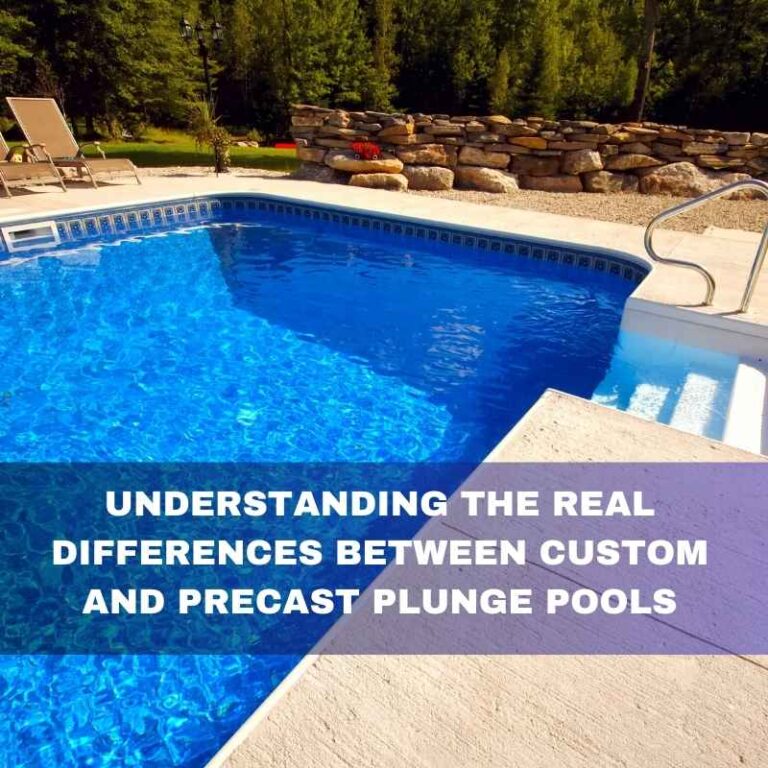
The best pool type for your block depends on space, slope, budget, and how you entertain. In Newcastle’s coastal suburbs, fibreglass plunge pools suit compact yards and simple care, while concrete pools offer full design freedom for custom shapes, sunken lounges, and infinity edges.
Now let’s break that down so you can choose with clarity.
Your block size, site access, fall (slope), wind exposure, and entertainment layout all influence which pool type and shape will work best. The goal is not just to fit a pool in — it’s to improve flow, comfort, and long-term usability.
Fibreglass: Quick install, smooth, low upkeep. Great for plunge pools and compact yards.
Concrete: Fully custom; allows sunken lounges, unique shapes, infinity edges; higher cost/time.
Plunge pool: Perfect for small blocks; heats faster and costs less to run.
Lap pool: long and narrow; plan flow around dining and lounge.
Custom shapes: Use for tricky, sloped or narrow sites—shape should improve flow, not block it.
Most coastal homes love fibreglass for simple care; choose concrete if you want full design freedom.
How Do You Design an Outdoor Kitchen & Bar That Becomes the Social Anchor?
To design an outdoor kitchen and bar that becomes the social anchor, position it between the house and the pool, keep the cook connected to guests, prioritise safe ventilation and weatherproof materials, and use durable stone surfaces with subtle lighting for a relaxed, resort-style feel.
Now let’s build that properly.
People naturally gather where food is prepared. If your outdoor kitchen layout is positioned correctly, it becomes the heartbeat of your backyard pool entertainment area, not just a cooking station.
1. Placement: Between the House and the Pool
The best location for an outdoor kitchen in a Newcastle backyard is:
House → Outdoor Kitchen → Pool
Why?
- The cook stays part of the conversation
- Food flows easily from indoor prep areas
- Guests gather centrally
- Supervision of the pool remains clear
Avoid placing the BBQ in a far corner. Isolation kills social energy.
In small backyard plunge pool designs, this central placement keeps the entire entertainment area cohesive.
2. Core Features That Add Function
A true social anchor needs more than just a standalone grill.
Strong Outdoor Kitchen Setup:
- Built-in BBQ (preferably stainless steel)
- Side burner for sauces or pans
- Sink with proper drainage
- Outdoor fridge for drinks
- Pizza oven (if space allows)
- Rangehood or overhead ventilation
In coastal NSW conditions, choose marine-grade stainless steel to resist salt corrosion.
If you’re building a luxury outdoor kitchen in Newcastle, integrated storage and stone cladding elevate the look while maintaining durability.
3. Safety Setup: Non-Negotiable
Heat, electricity, and water meet in this zone. It must be planned properly.
Essential Safety Considerations
- Proper ventilation above the BBQ and pizza oven
- Weather-safe outdoor electrical outlets
- Non-slip paving underfoot
- Clear access to pool gates (no obstruction)
- Adequate distance from combustible fencing
In NSW, pool gate paths must remain clear at all times. Never design cabinetry that blocks safe circulation to the pool barrier.
Also consider Newcastle’s wind patterns. Position cooking areas so smoke does not blow toward dining or the house.
4. Designing the Poolside Bar
A poolside bar increases social interaction and extends entertaining hours.
Option 1: Raised Bench Bar
- Positioned slightly above splash level
- Bar stools facing the pool
- Acts as a visual divider between zones
Option 2: Swim-Up Bar (Concrete Pools)
- Integrated into the pool shell
- Underwater seating
- Requires custom concrete construction
In Newcastle homes, raised bench bars are more common for plunge pools due to space efficiency.
Material Choices Matter
Use:
- Stone or porcelain benchtops
- Marine-grade stainless fixtures
- Sealed concrete bases
- UV-resistant cabinetry
Avoid timber surfaces unless fully protected. Coastal humidity and salt accelerate deterioration.
5. Lighting: Keep It Subtle
Lighting should enhance, not dominate.
Best practices:
- Warm LED strip lighting under benches
- Soft pendant lights (weather-rated)
- Downlights in rangehood
- Avoid harsh floodlighting
You want atmosphere, not glare.
Subtle lighting helps transition the space from daytime entertaining to evening poolside dining.
Why the Outdoor Kitchen Becomes the Anchor
When designed correctly, the outdoor kitchen:
- Connects indoor and outdoor living
- Keeps the host engaged
- Supports dining and lounge zones
- Enhances property value
- Extends seasonal use
In Newcastle and the Hunter region, where a coastal lifestyle is central, a well-positioned outdoor kitchen and poolside bar transform a simple backyard into a complete outdoor living space.
The key is not just installing appliances. It is integrating the kitchen into your pool entertainment layout so movement, safety, and social energy all flow naturally.
How Do You Choose Coastal-Tough Shade & Shelter for Your Backyard?
To choose coastal-tough shade and shelter for your backyard, prioritise wind-rated structures, salt-resistant materials like powder-coated aluminium, and position coverage over dining and kitchen zones for comfort, UV protection, and year-round usability.
Shade is not a luxury in Newcastle; it is protection from harsh sun, coastal wind, and material deterioration.
Now let’s break down the best options for a coastal NSW backyard pool entertainment area.
Why Shade Matters in Coastal NSW
In Newcastle and the Hunter region, outdoor structures must handle:
- Intense UV exposure
- Salt-laden air
- Sudden wind gusts
- Heavy rainfall
- Humid summers
Without proper shade:
- Paving overheats
- Outdoor furniture fades
- BBQ zones become uncomfortable
- Dining areas go unused in peak summer
A well-designed backyard shade structure protects both people and materials.
Pergola – Flexible & Practical
A pergola is one of the most popular shade solutions for Newcastle backyards.
Why It Works
- Moderate cost
- Adjustable light with slats or battens
- Ideal over dining zones
- Visually light (does not dominate small yards)
Pergolas are perfect for:
- Plunge pool entertainment areas
- Small backyard dining spaces
- Transitional zones between house and pool
For coastal durability, choose:
- Powder-coated aluminium frames
- Properly treated hardwood
- Stainless steel fixings (marine-grade where possible)
Pavilion – Full Coverage & Premium Feel
A pavilion provides solid roofing and stronger weather protection.
Best For:
- Full outdoor kitchens
- Large alfresco entertaining areas
- Homes exposed to strong winds
- Year-round use
Because pavilions offer solid overhead cover, they protect:
- Outdoor fridges
- Built-in BBQ units
- Bar cabinetry
- Dining furniture
They cost more than pergolas but deliver superior protection.
In Newcastle’s coastal suburbs, wind rating and proper engineering are critical.
Shade Sail – Lightweight & Budget-Friendly
Shade sails work well in modern coastal backyards.
Benefits:
- Budget-friendly
- Contemporary look
- Flexible installation
- Ideal for sun zones or kids’ play areas
However, they must be engineered for wind.
Improperly installed shade sails can:
- Sag
- Tear in storms
- Damage posts
Use:
- Heavy-duty UV-stable fabric
- Tensioned stainless steel fittings
- Reinforced anchor points
In coastal NSW, wind loading compliance is essential.
Choose Materials That Survive Salt Air
Salt corrosion is one of the biggest threats in coastal backyard pool design.
Best Material Options:
- Powder-coated aluminium
- Marine-grade stainless steel
- Galvanised structural steel (properly sealed)
- Properly treated hardwood
Avoid untreated mild steel or low-grade fixings. They deteriorate quickly in salt-heavy environments.
Add Winter Comfort
Shade structures should also extend seasonal use.
In Newcastle’s cooler months, consider:
- Outdoor electric heaters
- Gas strip heaters
- Reverse-cycle heat pump systems
- Wind-block screens
- Clear café blinds
A heated alfresco dining area near your plunge pool keeps the entertainment zone active year-round.
How to Decide What Fits Your Backyard
Ask:
- Is your block exposed to strong coastal wind?
- Do you need full weatherproofing for an outdoor kitchen?
- Is your yard compact and better suited to lightweight structures?
- Do you want flexible light control or full overhead protection?
For most Newcastle plunge pool backyards:
- Pergolas suit dining zones
- Pavilions suit outdoor kitchens
- Shade sails suit sun or kids’ zones
The right shade and shelter solution should improve comfort, protect your investment, and make your outdoor pool entertainment area usable in every season — not just summer.
Seating & Comfort Design
Best seat types by zone:
- Outdoor sofa/sectional: fire or lounge zone (modular is handy).
- Sun loungers: near pool or Baja shelf (shade nearby).
- Built-in benches: along walls to save space in small yards.
- Bar stools: for the kitchen/bar; seat height above splash.
Materials that last: marine-grade stainless, powder-coated aluminium, composite decking, UV-stable fabrics with quick-dry foam. Avoid low-grade metals, unsealed timber and weak fixings.
Landscaping for a Resort Feel
Use plants that handle salt, sun and wind, and don’t dump leaves into the pool.
Coastal-tough picks (examples): lomandra, coastal rosemary, agave, birds of paradise, hardy palms, native grasses.
Styles:
- Tropical: Lush and private (more trimming).
- Mediterranean: Olives, structured shrubs, warm stone.
- Modern minimalist: Clean lines, repeated forms (great for small yards).
Hardscaping: Porcelain pavers, exposed aggregate, travertine, textured concrete. Ensure non-slip surfaces and drainage away from the house and cabinetry. Light colours stay cooler.
Lighting Design: Safety & Mood
Good lighting keeps people safe and sets the mood after sunset.
Functional: path lights, step lights, gate lights, and task lights over the kitchen.
Mood: soft pool LEDs, wall washes, under-bench bar lights, warm white for dining.
Smart control: dim, set timers, change colour temp, and sync with heating/filtration if you want.
Layer it:
- Task (cook/walk),
- Accent (plants/textures),
- Ambient (soft glow).
Use corrosion-resistant outdoor fittings.
Entertainment & Tech Upgrades
- Outdoor audio: weather-rated speakers, even sound, chat-friendly volume.
- Outdoor cinema: retractable screen, low wind, safe power, clear sightlines.
- Smart pool automation: control heating, filtration, and lights; saves time and energy.
What Pool Safety Rules Apply to Newcastle Backyards in NSW?
All pools and spas in Newcastle that hold more than 300 mm of water must have a compliant barrier, a self-closing and self-latching gate, clear non-climb zones, visible CPR signage, and be registered on the NSW Swimming Pool Register.
Safety is not an afterthought. It must be planned into your backyard layout from day one.
Essentials:
- Compliant fence height and non-climb zones
- Self-closing, self-latching gate that opens away from the pool
- Clear access and sightlines
- CPR sign visible
- Pool registered on the NSW Swimming Pool Register
Why Planning Early Matters
Retrofitting compliance is expensive.
If fencing, gate placement, and sightlines are considered during the initial backyard pool design phase, you avoid:
- Rebuilding barriers
- Moving fixed cabinetry
- Relocating heavy landscaping
- Delayed sale approvals
For Newcastle homeowners designing a plunge pool entertainment area, safety is the foundation. Everything else, layout, kitchen, shade, lighting — builds on that base.
A compliant backyard pool is not just about avoiding fines. It protects families, guests, and property value.
What Does It Really Cost to Build a Backyard Pool & Entertaining Area?
It typically costs between $35,000 and $120,000+ to build a backyard pool and entertaining area in Australia, depending on the pool type, site conditions, materials, and added features like pergolas, outdoor kitchens, spas, and landscaping.
That range reflects everything from a simple fibreglass plunge pool with basic paving to a fully custom concrete pool with a pavilion, outdoor kitchen, heating, automation, and premium landscaping.
Below is a realistic breakdown so you can understand where your budget goes — and how to plan smarter.
Entry-Level Backyard Pool & Entertaining Area ($35,000–$55,000)
Best for: Small blocks, compact plunge pools, straightforward installs.
Typical inclusions:
- Fibreglass plunge pool
- Basic site preparation (flat block)
- Standard filtration system
- Concrete or basic paver surround
- Frameless or semi-frameless glass pool fencing (compliant)
- Simple landscaping finish
This is ideal if you want a small backyard pool installation with minimal extras. It focuses on swimming, cooling off, and visual impact without extensive structural work.
Where costs stay lower:
- Flat, accessible site
- No major excavation or retaining walls
- Standard electrical and plumbing access
- Simple council approvals
Mid-Range Pool & Outdoor Entertaining Area ($55,000–$85,000)
Best for: Families wanting a functional outdoor living zone.
Typical inclusions:
- Larger plunge pool or compact lap pool
- Upgraded filtration and energy-efficient pump
- LED pool lighting
- Extended paving or porcelain tiles
- Pergola or covered alfresco area
- Built-in BBQ area
- Feature garden beds
- Glass fencing upgrade
This category reflects what most homeowners mean when they say “complete backyard renovation with pool and entertaining area.”
You’re not just installing a pool. You’re creating an integrated outdoor lifestyle space.
Why costs increase:
- Larger excavation
- Structural slab work for pergola or pavilion
- Electrical upgrades
- Higher-end surface finishes
- Better drainage systems
Premium Custom Pool & Luxury Outdoor Living ($85,000–$120,000+)
Best for: Long-term investment properties and high-end homes.
Typical inclusions:
- Custom concrete swimming pool
- Fully engineered shell and structural design
- Tiled interior finish
- Spa integration
- Pool heating system (gas or heat pump)
- Automated pool control system
- Outdoor kitchen with plumbing
- Pavilion or architectural pergola
- Feature landscaping and retaining walls
- Designer lighting plan
- Advanced drainage solutions
This is a custom outdoor entertaining design project, not just a pool install.
Costs climb due to:
- Complex excavation (especially sloping blocks)
- Retaining walls
- Soil classification challenges
- Engineering and design documentation
- Higher council compliance requirements
- Premium marine-grade materials
What Impacts the Cost of Building a Backyard Pool?
When budgeting for a backyard pool installation cost, consider these major factors:
1. Pool Type
- Fibreglass pools: Faster install, lower labour cost
- Concrete pools: Fully custom, higher structural cost
2. Site Conditions
- Sloping land
- Poor soil conditions
- Limited machinery access
- Drainage requirements
Challenging blocks significantly increase excavation and retaining wall costs.
3. Materials & Finishes
Invest in:
- Structural engineering
- Proper drainage
- Marine-grade hardware
- Compliant glass pool fencing
- Energy-efficient pool heating systems
Save on:
- Outdoor furniture
- Decorative styling
- Temporary shade solutions
You can upgrade these later.
Hidden Costs Many Homeowners Miss
When researching how much it costs to build a pool and outdoor entertaining area, don’t forget:
- Council approval and certification
- Soil tests
- Electrical upgrades
- Temporary fencing during construction
- Pool compliance inspections
- Landscaping reinstatement
- Ongoing pool maintenance setup
Ignoring these can blow out your budget mid-project.
DIY vs Professional Designer: Which Is Smarter?
DIY works well for:
- Paving upgrades
- Minor landscaping
- Simple decking extensions
- Cosmetic updates
Hire a professional pool designer when:
- Your block is sloped
- Retaining walls are required
- Drainage planning is complex
- You need an engineering certification
- Council approvals are strict
- You want a fully integrated outdoor living design
A professional design reduces structural risk, compliance issues, and expensive mistakes, especially in complex builds.
How Do You Design for Low Maintenance and Long-Term Durability?
By choosing smooth pool interiors, non-slip porcelain or sealed concrete paving, marine-grade fittings, powder-coated frames, and easy-clean glass fencing. Protect materials with proper sealing and drainage, and use energy-efficient pumps, salt chlorination, and the right heating system for your climate.
Choose: smooth pool interiors, non-slip porcelain or sealed concrete, marine-grade fittings, powder-coated frames, easy-clean glass fencing.
Protect: seal timber, plan drainage, keep furniture off wet edges, and use energy-efficient pumps or salt chlorination.
Heating options:
- Gas: fast heat, higher running cost.
- Solar: low running cost, needs sun.
- Heat pump: efficient and popular for plunge pools.
Drainage matters: Slope water away from the house and kitchen, add channels on paving, and waterproof near structures.
Low maintenance is not accidental. It is engineered.
If you are planning a low-maintenance plunge pool design in Newcastle, think beyond installation cost. Choose materials and systems that reduce cleaning, resist corrosion, manage drainage properly, and control long-term operating expenses.
That is how you build a plunge pool that lasts and stays easy to own for years.
Sustainability Tips (Newcastle)
Designing a plunge pool and backyard in Newcastle is not just about aesthetics. It is about building a space that works with the coastal climate, reduces operating costs, and supports long-term environmental sustainability. With rising electricity prices, periodic water restrictions in NSW, and increasing awareness around eco-friendly home upgrades, many Newcastle homeowners are now searching for sustainable pool solutions, energy-efficient pool equipment, and water-wise landscaping ideas for coastal NSW properties.
If you own or are planning a plunge pool in Newcastle or the Hunter region, here is a complete guide to four high-impact sustainability upgrades:
- Solar pool heating to extend the swim season
- Variable-speed pool pumps to reduce electricity use
- Water-wise landscaping with drip irrigation and mulch
- Permeable paving and rainwater tanks for smarter water management
Each of these strategies works with local conditions, coastal humidity, strong UV exposure, heavy rainfall events, and warm summers to create a backyard that is efficient, resilient, and cost-effective. Design Psychology: Create the “Staycation” Feel
Use borrowed views (trees, sky) and keep the glass fencing clear. Let water reflections add depth at night. Layer sound, warmth and texture, and keep the material palette simple so the space feels calm.
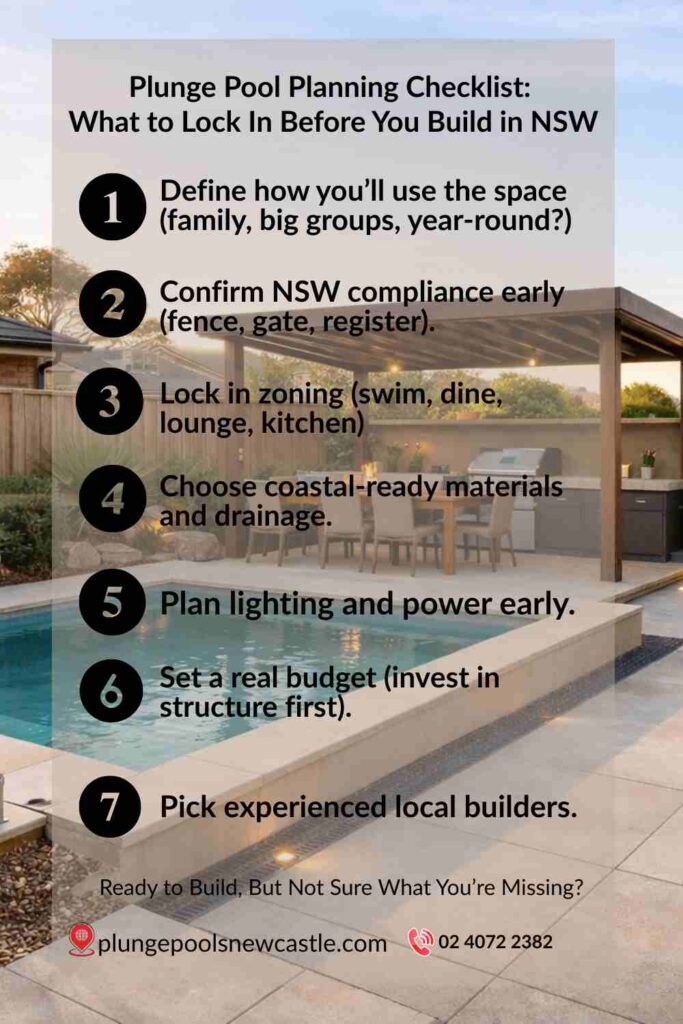
Final Planning Checklist (Before You Build)
Conclusion
The best pool entertainment areas in Newcastle, NSW, are planned with purpose. When flow, shade, safety, lighting and materials work together, your backyard becomes a comfy private staycation, easy to use and easy to keep.
At Plunge Pools Newcastle, we help local homeowners create functional, low-maintenance pool entertainment areas designed specifically for Newcastle conditions. We design and build fibreglass and concrete plunge pools, integrate NSW pool compliance, and plan complete outdoor entertaining spaces that feel natural and effortless.
If you are ready to transform your backyard into a private staycation space, request a quote today. Our team will guide you through layout planning, pool selection, compliance, and construction with clarity and care.
FAQs
1. How much does a pool entertainment area cost in Newcastle, NSW?
A pool entertainment area in Newcastle typically costs between $35,000 and $120,000+, depending on pool type, site conditions, and features. A basic fibreglass plunge pool costs less. A custom concrete pool with an outdoor kitchen and pavilion costs more. Layout and materials drive the final price.
2. Is a plunge pool big enough for entertaining guests?
Yes, a plunge pool is big enough for entertaining when designed with proper zoning. It anchors the space while seating, dining, and bar areas handle social flow. In small Newcastle backyards, a well-planned plunge pool often feels more functional than a larger, poorly designed pool.
3. What is the best pool type for Newcastle’s coastal climate — fibreglass or concrete?
Fibreglass pools are generally better for Newcastle’s coastal climate due to lower maintenance and smooth, algae-resistant surfaces. Concrete pools offer more design flexibility but require more upkeep. The best choice depends on budget, block shape, and desired features.
4. Do I need council approval and pool registration in Newcastle?
Yes, most pools in Newcastle require approval and must be registered on the NSW Swimming Pool Register. Compliance includes fencing, gate safety, and CPR signage. Approval requirements depend on your site and pool type, so early planning is essential.
5. What features add the most value to a backyard pool entertainment area?
The features that add the most value are a well-designed plunge or lap pool, an outdoor kitchen, proper shade, and integrated lighting. Buyers value function, durability, and compliance more than decorative extras. Smart layout increases both lifestyle enjoyment and resale appeal.