
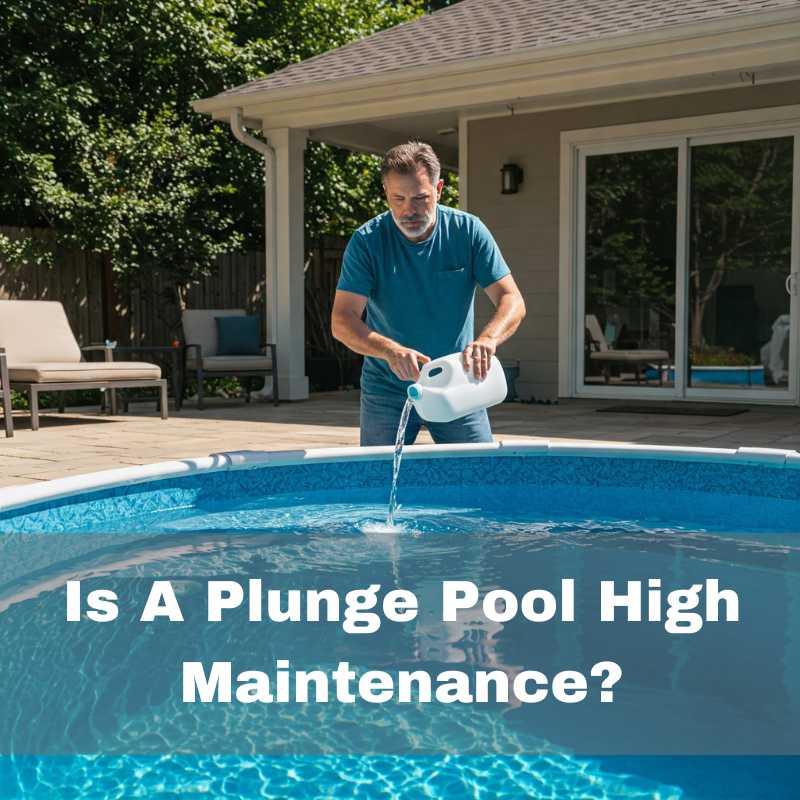
Tips to Maintain a Fibreglass Plunge Pool
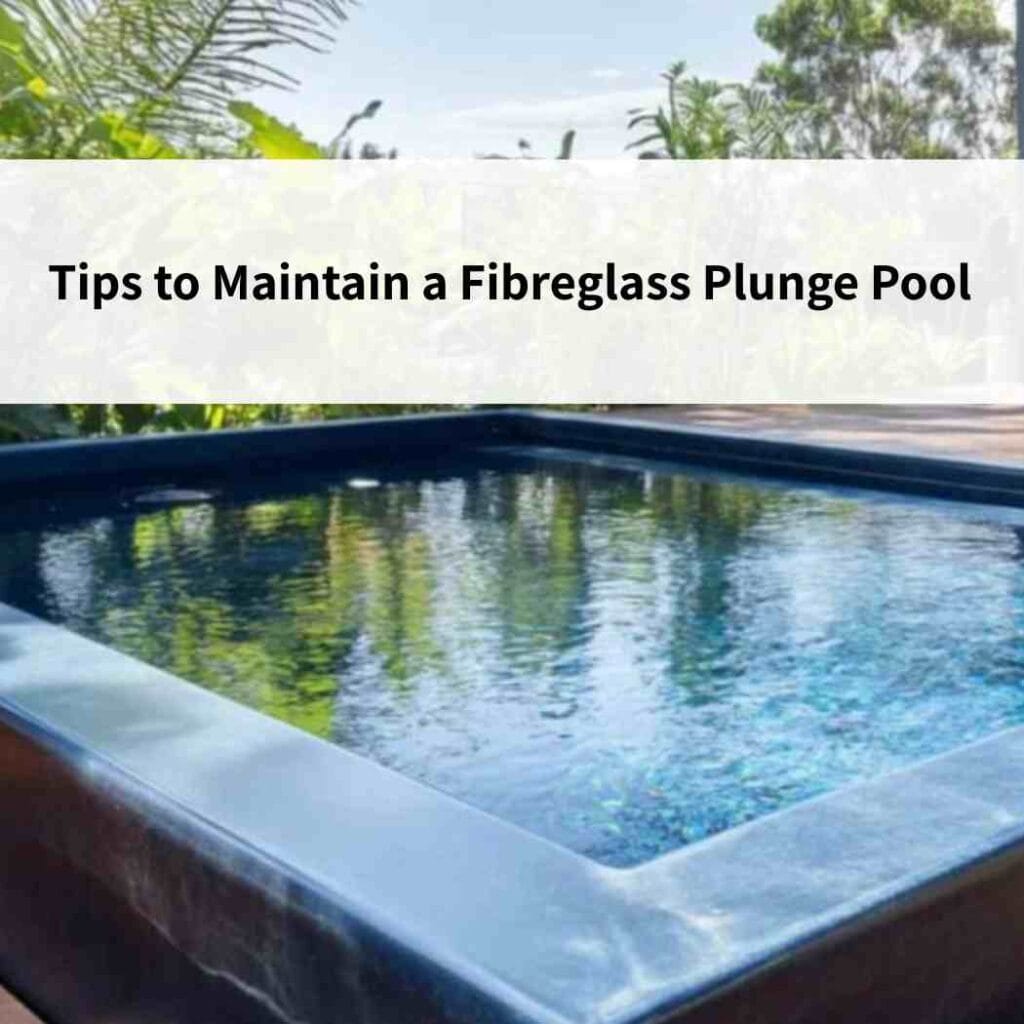
Keep your water balanced, run your pump every day, clean debris often, and use soft, non-abrasive tools to protect the pool surface. These simple habits keep your pool clear, safe, and low-cost to maintain.
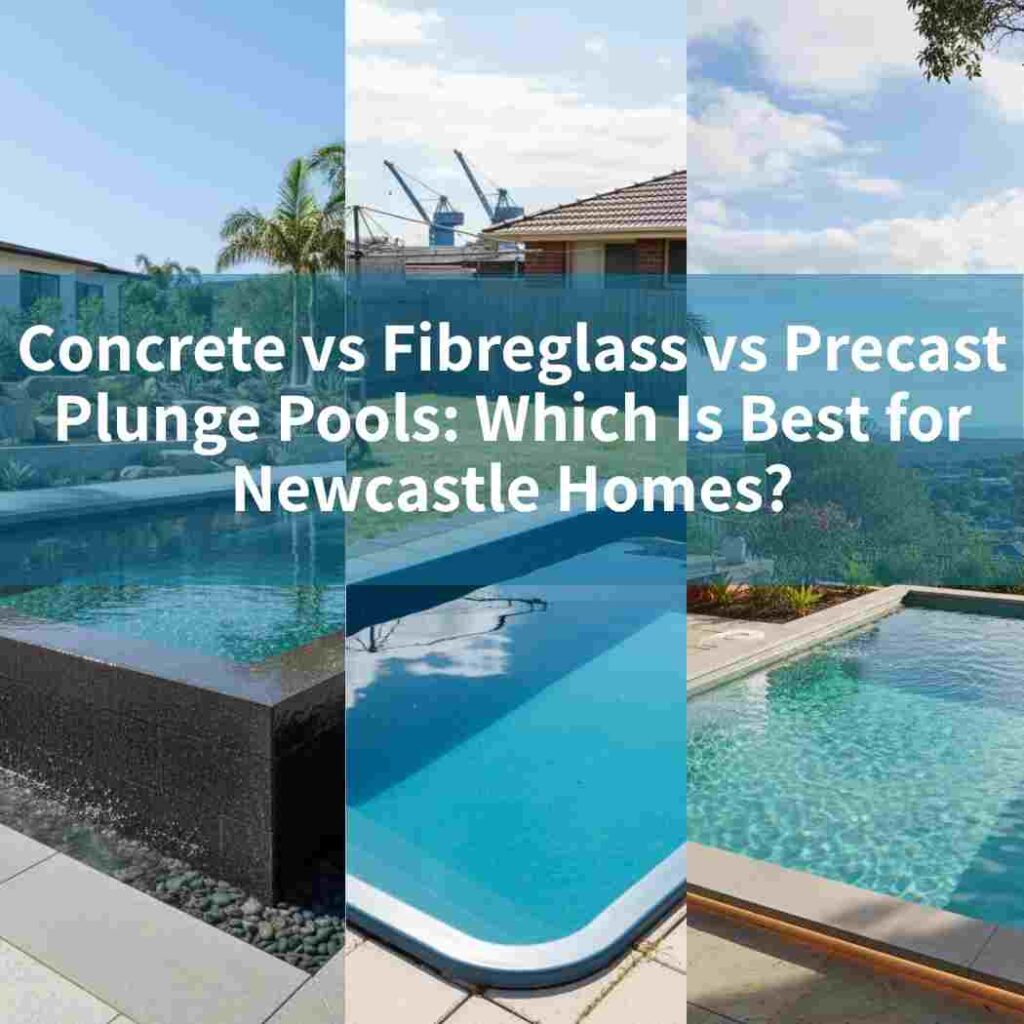
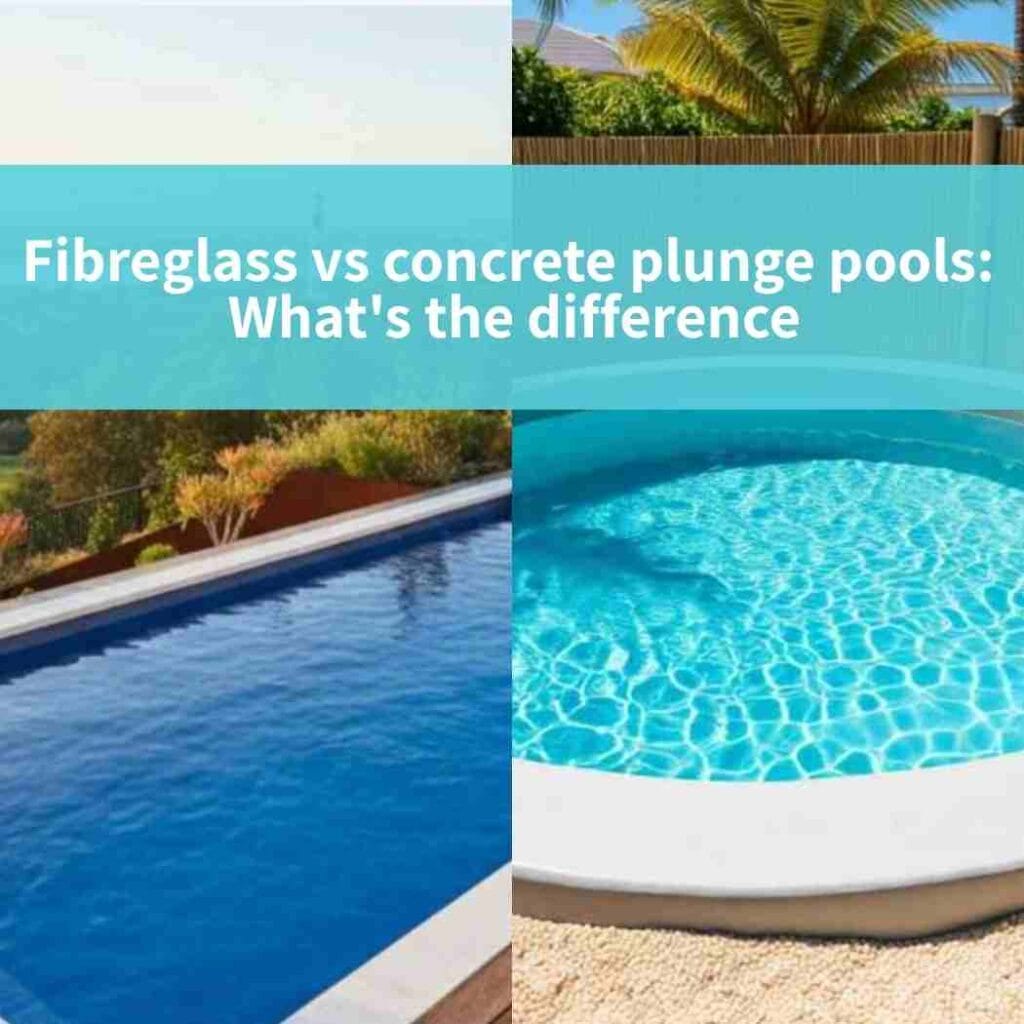
Fibreglass plunge pools are faster to install, more affordable, and easier to maintain. Concrete plunge pools take longer to build,
Our fibreglass plunge pool installation process involves site inspection, excavation, base preparation, crane placement of the pool shell, plumbing and electrical connection, careful backfilling, and final compliance checks, all completed in a structured and efficient way for any modern swimming pool project.
$40,000 to $65,000 for a full installation. Smaller, basic pools can start around $25,000 for the shell only, while larger or more complex projects can go above $80,000 depending on site conditions, access, and upgrades.
If you are looking to install a pool in Newcastle or the Hunter, you likely already know that starting prices of $40,000 are common. However, the final bill for most homeowners in suburbs like Merewether, Wallsend, or Charlestown usually lands between $65,000 and $100,000+ once landscaping and local site requirements are added.
Building a swimming pool in Newcastle is more than just a backyard upgrade; it is a lifestyle investment tailored to our unique coastal climate. However, the gap between a dream oasis and a construction nightmare usually comes down to one choice: the builder.
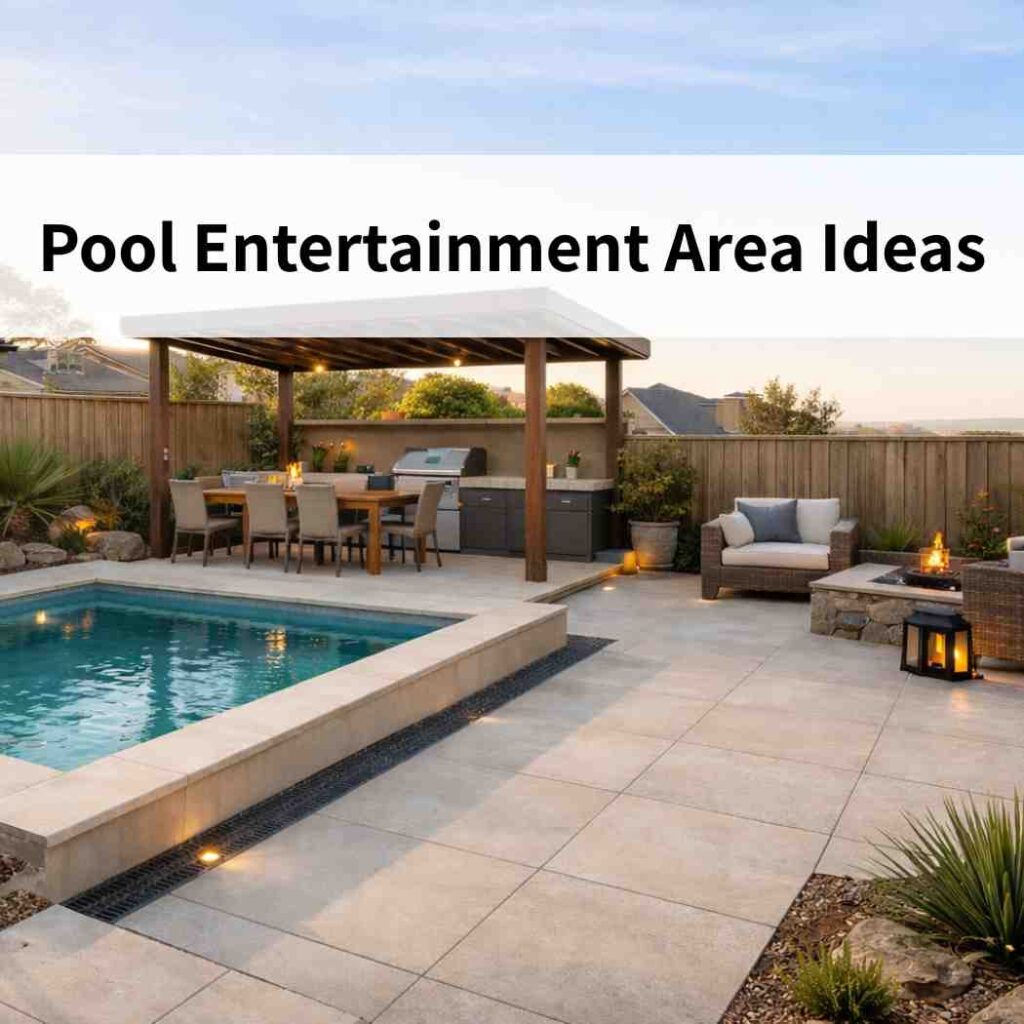
The best ideas combine smart layout planning, coastal-ready materials, outdoor kitchens, layered lighting, shaded seating, and a pool design that suits your block and lifestyle. A great backyard pool area is not just about swimming. It is about flow, comfort, safety, and creating a space where family and friends naturally gather.
You kill algae by lowering the pH, adding the right amount of chlorine, brushing every surface, and running your filter without stopping until the water clears. The goal is to get rid of the algae completely.
Yes. If your pool or spa can hold more than 300 millilitres of water, the law says it must be registered. It does not matter if it is in-ground, above-ground, inflatable, or a small spa. If it holds water deep enough for a child to drown, it must be recorded.
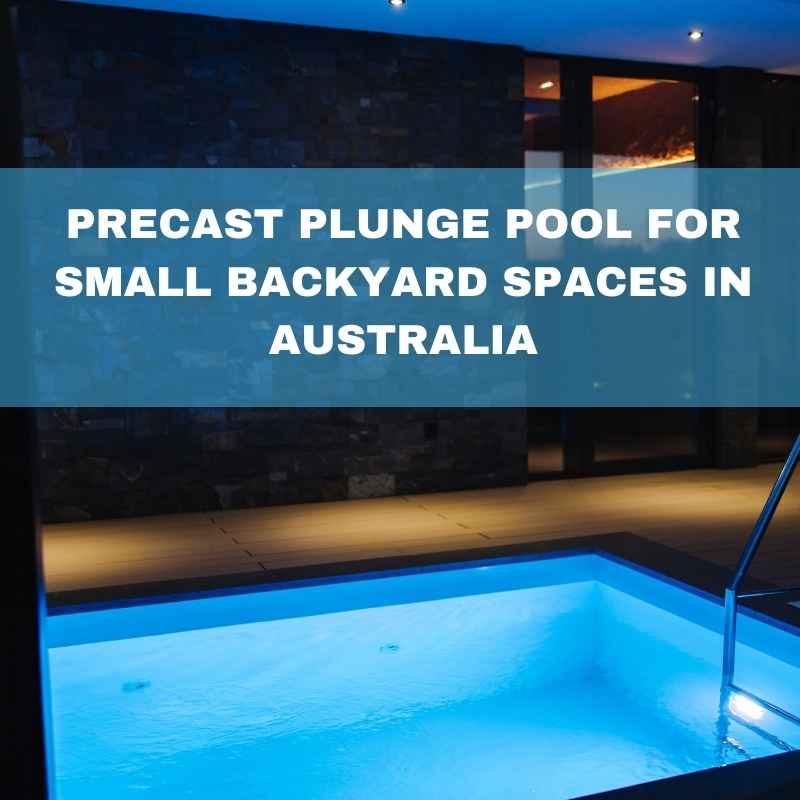
Are you trying to decide between a custom-built plunge pool or a precast concrete model? The simple answer is that it depends on your backyard’s access, your budget, and how quickly you want to start swimming. Both options give you a high-quality concrete pool, but the way they are built and installed is very different.