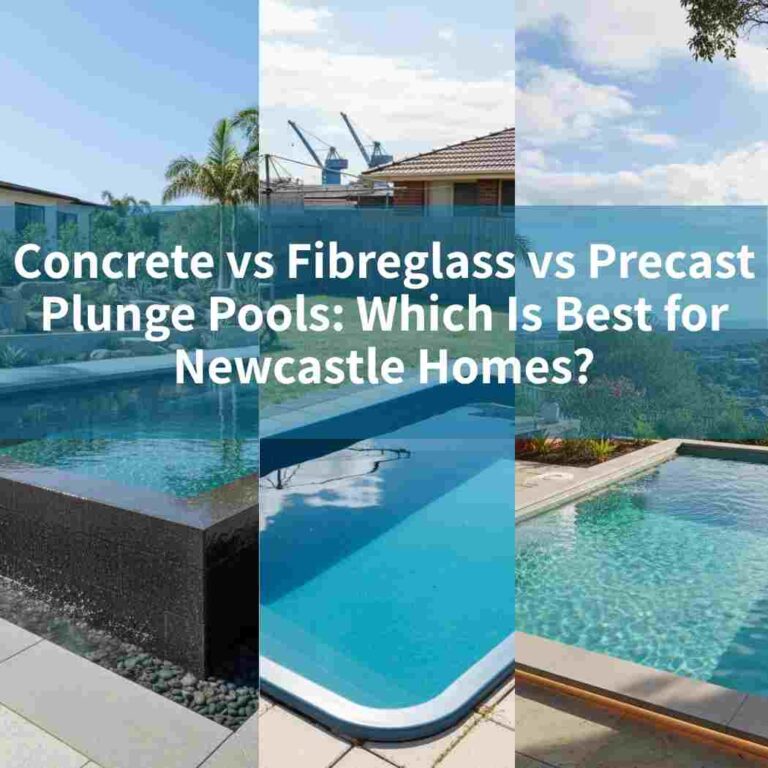

Fibreglass plunge pools are faster to install, more affordable, and easier to maintain. Concrete plunge pools take longer to build, cost more, but give you full design freedom and a more premium finish.
At Plunge Pools Newcastle, we help local homeowners choose and install the right plunge pool for their space, budget, and lifestyle. Whether you want your pool installed quickly or fully customised, our experienced Builder team understands Newcastle soil conditions, access challenges, and council requirements.
In this guide, you will learn the real difference between fibreglass and concrete plunge pools, including cost, installation time, durability, maintenance, design options, and what’s better for your situation.
What Is the Difference Between Fibreglass and Concrete Plunge Pools?
Fibreglass plunge pools are pre-made shells installed in one piece, often manufactured using precast concrete moulds to shape the design. Concrete plunge pools are built on-site and fully customisable.
Key differences:
- Fibreglass: faster, cheaper, low maintenance
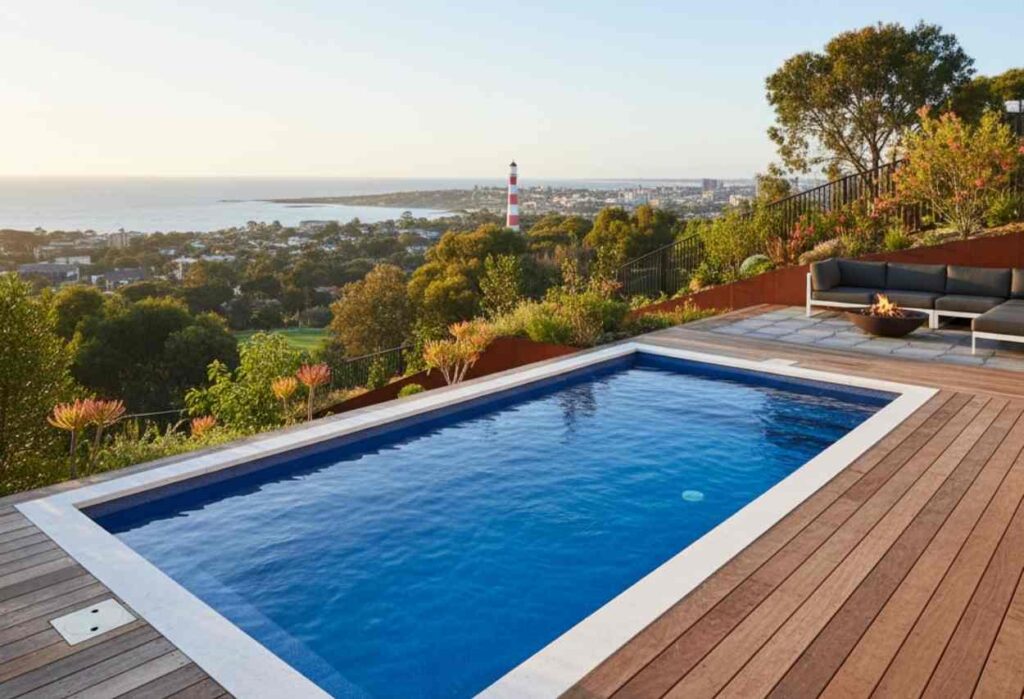
- Concrete: flexible design, premium finish, longer lifespan

The best choice depends on your space, budget, and timeline.
Fibreglass vs Concrete Plunge Pools
Fibreglass plunge pools are faster and easier to install, while concrete plunge pools offer more flexibility and a premium, fully custom design.
| Feature | Fibreglass | Concrete |
| Installation Time | 1–4 weeks | 2–4 months |
| Cost (Newcastle) | $40K–$65K | $70K–$150K+ |
| Maintenance | Low | High |
| Design | Limited | Fully custom |
| Lifespan | 20–30+ years | 50+ years |
Quick takeaway:
Fibreglass = faster and easier
Concrete = more flexible and premium
Which Pool Is Better for Your Situation?
The best plunge pool depends on your space, budget, and goals. Fibreglass plunge pools are best for speed and low maintenance, while concrete plunge pools are better for custom design and long-term value.
Small Backyards
Fibreglass is best for small, standard blocks.
Concrete works if you need a custom shape.
Luxury Homes
Concrete is better for high-end homes with a custom design and enhanced colour finishes.
Fast Installation
Fibreglass is much faster (weeks vs months).
Long-Term Investment
Concrete lasts longer and supports stronger structural integrity.
Low Maintenance
Fibreglass is easier to clean and manage, offering less maintenance overall.
What Is a Fibreglass Plunge Pool?
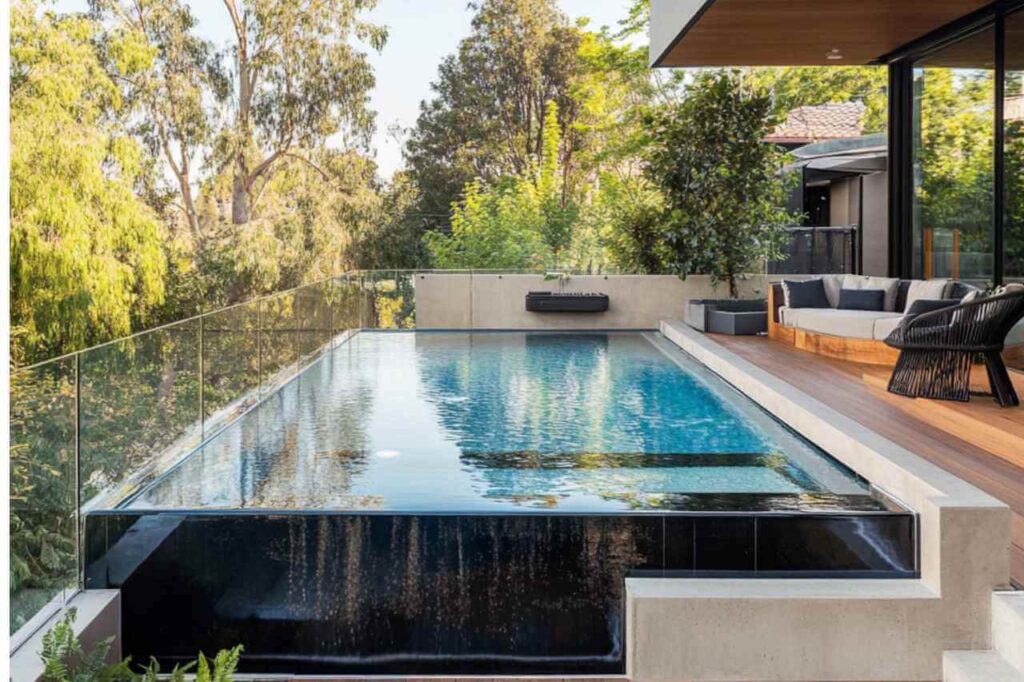
A fibreglass plunge pool is a pre-built pool shell made in a factory and installed in one piece.
How it works:
- Delivered by truck (Transport)
- Placed with a crane (Lift)
- Connected and ready
Benefits:
- Fast installation (1–4 weeks)
- Lower cost
- Smooth, Non-abrasive surface
- Surface that resists algae and reduces algae growth
Limitations:
- Fixed shapes
- Needs site access
- Customisation is limited
What Is a Concrete Plunge Pool?
A concrete plunge pool is built on-site, allowing full custom design and size.
How it works:
- Excavation
- Steel reinforcement
- Concrete sprayed (shotcrete/gunite)
- Finished with tiles, stone, or waterline tiles
Benefits:
- Fully custom design
- Premium finishes like pebblecrete
- Long lifespan (50+ years)
Limitations:
- Higher cost
- longer installation time
- More maintenance and Ongoing care
What Is the Difference in Installation Between Fibreglass and Concrete Pools?
Fibreglass pool installation is a delivery and placement process, while concrete pool installation is a full-on-site construction project built step by step.
Fibreglass:
- Fast setup
- Pre-made shell
- Less affected by weather conditions
Concrete:
- Built step by step
- Needs curing time
- Higher labour costs
What Is the Timeline Difference Between Fibreglass and Concrete Pools?
Fibreglass plunge pools take 1 to 4 weeks to install, while concrete plunge pools take 2 to 4 months to build.
- Fibreglass: 1–4 weeks
- Concrete: 2–4 months
Simple decision:
Need it fast → fibreglass
Happy to wait → concrete
What Is the Cost Difference Between Fibreglass and Concrete Pools in Newcastle?
Fibreglass plunge pools in Newcastle typically cost $40,000 to $65,000, while concrete plunge pools cost $70,000 to $150,000 or more.
Fibreglass:
$40,000 – $65,000
Concrete:
$70,000 – $150,000+
Extra costs (both):
- Fencing
- Landscaping
- Drainage
- Electrical
Quick summary:
- Fibreglass = lower cost + cheaper upkeep
- Concrete = higher cost + higher long-term value
Which Pool Is Easier to Maintain: Fibreglass or Concrete?
Fibreglass pools are easier to maintain.
Fibreglass:
- Less algae
- Less cleaning
- Fewer chemicals
Concrete:
- Needs brushing
- More chemicals
- Can develop a porous surface that encourages buildup
What Is the Difference in Durability and Lifespan Between Fibreglass and Concrete Pools?
Fibreglass plunge pools are flexible and last 20 to 30+ years, while concrete plunge pools are extremely strong and can last 50+ years with proper maintenance.
Fibreglass:
- Flexible (handles soil movement)
- Lasts 20–30+ years
Concrete:
- Very strong
- Lasts 50+ years
Summary:
Fibreglass = low risk and easy
Concrete = longer lifespan with maintenance
Design and Aesthetics
Fibreglass:
- Simple and modern
- Fixed shapes
Concrete:
- Fully custom
- Premium finishes
- Luxury features
Hybrid Option (Best of Both)
You can combine both:
- Fibreglass shell
- Concrete surrounds and features
Benefits:
- Faster build
- Custom look
- Better Advantage in balancing cost and design
What Site Conditions Are Best for Fibreglass vs Concrete Pools?
Fibreglass plunge pools work best on flat blocks with easy access, while concrete plunge pools are better for sloping sites, tight access, and custom designs.
Choose Fibreglass if:
- Easy access
- Flat block
- Standard layout
Real Project Case Study: Fibreglass Plunge Pool Installation in Gosford
Our most recent Gosford job involved the installation of a 6.2m x 3.0m fibreglass plunge pool in a small backyard with limited access to the site.
The homeowners wanted a family-friendly pool that would fit into their limited outside space yet also be easy to maintain. They also liked the fact that it was a quicker installation process with no disturbance in building.
Despite access restrictions, the fibreglass pool was built promptly and the backyard has been turned into a modern practical outdoor space with frameless glass fencing and exposed aggregate surrounds.
View our fibreglass plunge pool installation in Gosford case study.
Choose Concrete if:
- Sloping land
- Tight access
- Custom design needed
What Are the Common Risks to Avoid When Installing a Pool?
The most common pool installation mistakes are poor planning, ignoring site conditions, and choosing the cheapest quote. These can lead to delays, extra costs, and compliance issues.
Common mistakes:
- Not checking access
- Ignoring soil conditions
- Choosing the cheapest quote
Avoid problems by:
- Getting a site inspection
- Working with experts
- Planning a full budget
Pros and Cons Summary
Fibreglass Pros
- Fast
- Affordable
- Easy maintenance
Fibreglass Cons
- Limited design
- Needs crane access
Concrete Pros
- Fully custom
- Premium look
- Long lifespan
Concrete Cons
- Expensive
- Slower build
- More upkeep
Which One Should You Choose?
Choose Fibreglass if:
- You want fast installation
- You want a lower cost
- You want low maintenance
Choose Concrete if:
- You want a custom design
- You want a premium finish
- You have a flexible budget
Conclusion: Is Fibreglass or Concrete Better?
Fibreglass plunge pools are better for speed, lower cost, and easy maintenance. Concrete plunge pools are better for custom design, longer lifespan, and a premium finish.
If you are still deciding, speak with Plunge Pools Newcastle. Our team can assess your site, explain your options clearly, and help you choose the right plunge pool for your home.
Reach out today and mention our services to get expert advice tailored to your Newcastle property.
FAQs
1. Which is cheaper: fibreglass or concrete plunge pools in Newcastle?
Fibreglass plunge pools are cheaper than concrete plunge pools in Newcastle. They usually cost $40,000 to $65,000 installed, while concrete pools cost $70,000 to $150,000 or more. Fibreglass also has lower maintenance costs, making it more affordable over time.
2. How long does it take to install a fibreglass vs. a concrete plunge pool?
Fibreglass plunge pools take 1 to 4 weeks to install. Concrete plunge pools take 2 to 4 months or longer. Fibreglass is faster because it is pre-made. Concrete takes longer due to the construction, curing, and finishing stages.
3. Which plunge pool is easier to maintain long-term?
Fibreglass plunge pools are easier to maintain long-term. Their smooth surface reduces algae and cleaning time. Concrete pools need regular brushing, more chemicals, and resurfacing over time, which increases effort and cost.
4. Can I install a plunge pool in a small or difficult Newcastle backyard?
Yes, you can install a plunge pool in a small or difficult Newcastle backyard. Fibreglass suits small, accessible spaces. Concrete works better for tight access or sloping blocks because it is built on-site and can be fully customised.
5. Which plunge pool adds more value to my property?
Concrete plunge pools add more value to your property. They offer custom design, premium finishes, and a high-end look. Fibreglass still adds value, but concrete is often seen as a stronger long-term investment in Newcastle homes.